
Impact Profile: Global Village Foods Cooking Up Local Jobs and Bold, Allergy-Friendly Meals


At Clean Yield, we view impact investing as one of the most powerful ways for our clients to invest their money for positive change. By investing in funds like the Flexible Capital Fund or Black Farmer Fund, our clients help make patient, flexible, and affordable capital available to mission-driven enterprises, providing the lifeblood for them to thrive and amplify their impact. Global Village Foods is an example of an organization that received funding from two of our impact fund partners. Impact profiles are not investment recommendations. Learn more about our impact investment strategy and services.
By Monica Charletta, Associate, Impact Investing
While convening in Vermont for a company retreat in May 2026, the Clean Yield Asset Management team took the opportunity to visit Global Village Foods. Clean Yield clients have indirectly supported Global Village Foods through investments in the Flexible Capital Fund, L3C 1.0 and Black Farmer Fund 2.0.
Founded by Mel and Damaris Hall, Global Village Foods is a Vermont-based, Black-owned family business that prepares allergy-friendly, ready-to-eat meals with bold African flavors. Damaris, a trained chef from Kenya, and Mel first opened a restaurant serving dishes from the African Diaspora before shifting their focus to prepared-food production.
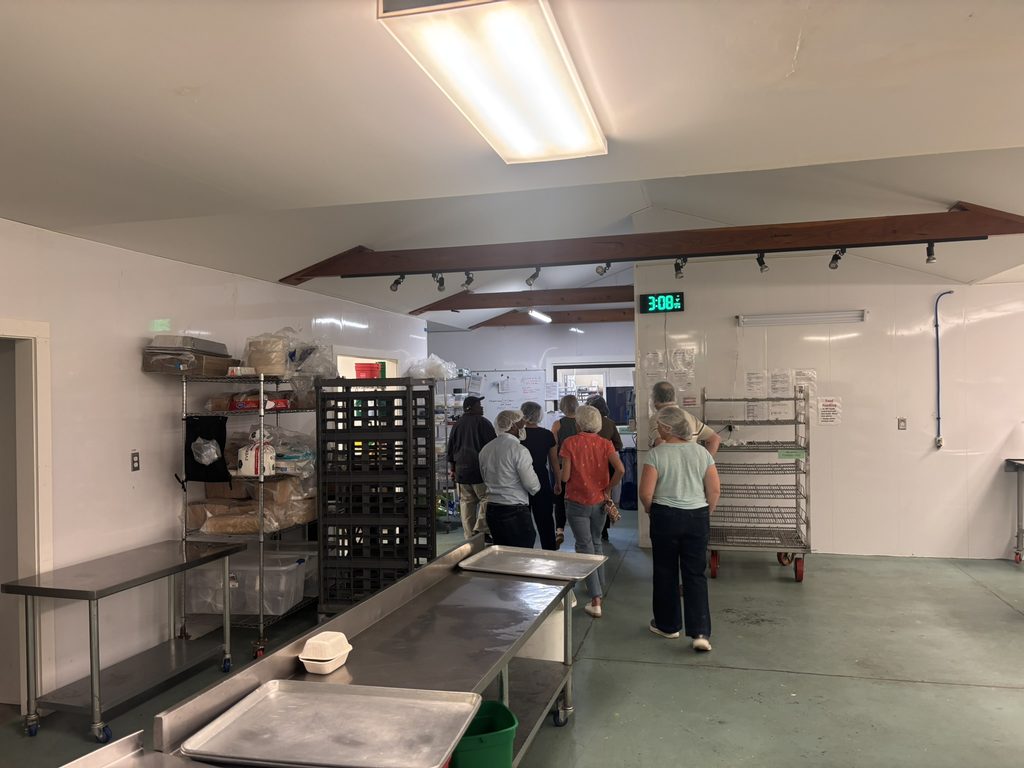
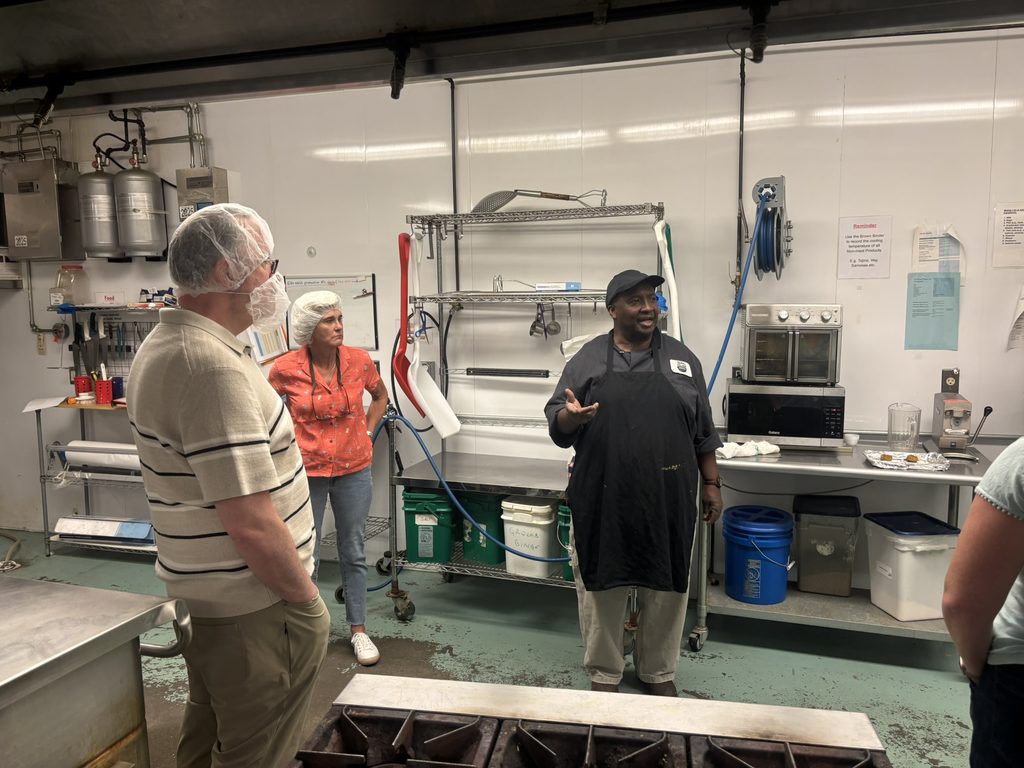
During the visit, the Clean Yield team toured the Global Village Foods production facility in Vermont and learned more about the history of the company from its co-founders, Mel and Damaris Hall. This offered us a chance to understand how our clients’ investments can make a difference, even in our own backyard. In addition to creating jobs in the community, Global Village Foods’ impact comes from its use of sustainable packaging, its efforts to source locally whenever possible, and its mission that “the whole village should eat well and without worry.”
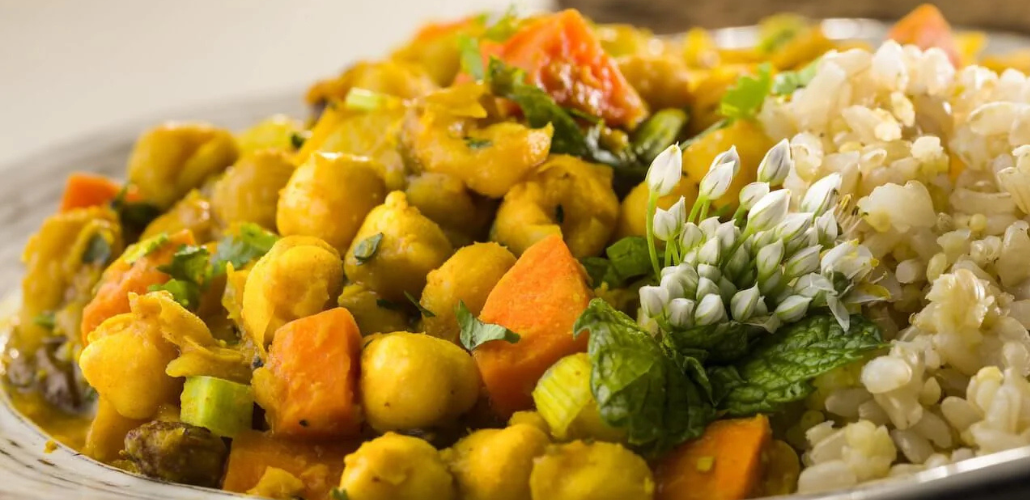
Mel and Damaris graciously offered us samples of maakouda, Moroccan-spiced potato cakes, which were crispy on the outside, soft on the inside, and flavored with a rich blend of garlic, herbs, and spices. The Global Village Foods team is always seeking ways to improve operations, and the maakouda we sampled were baked instead of fried, which is a healthier option that also improves operational efficiency for the company.
Today, Global Village Foods’ main customers include institutions, food service companies, and grocery stores. Mel Hall points to universities, especially, as strong partners and champions as Global Village Foods has scaled over the years.
Mel and Damaris emphasize the importance of making food that everyone can enjoy. Their allergy-friendly meals stem from their own experience raising a son with severe food allergies, and many of their offerings are gluten-free, vegan, or free of the “Big 9” common allergens. Despite this emphasis on accessibility, Global Village Foods’ offerings do not hold back — they pack a powerful punch with complex flavors and strong spices.

Your Money, Your Values
This financial health guide gathers practical tips, trusted resources, and expert insights to help you safeguard your finances, care for your family, and contribute to the causes that matter most to you. You’ll find actionable guidance on fraud prevention, estate planning, charitable giving, and working with a values-aligned investment team.
The Impact of the Flexible Capital Fund and Black Farmer Fund
Through Clean Yield’s impact investment program, clients are able to direct capital to funds addressing social and environmental issues. These funds then use that money to invest in small businesses, startups, co-operatives, and projects. Two popular impact investment funds — the Flexible Capital Fund and Black Farmer Fund — provided patient capital and technical assistance to Global Village Foods to support its growth and the acquisition of property and equipment.
The Flexible Capital Fund, L3C is a woman-led CDFI that offers patient, non-dilutive growth capital in the form of revenue-based financing or subordinated debt to small businesses throughout New England. In 2022, the Flexible Capital Fund 1.0 and the Fair Food Fund provided $500,000 in financing to Global Village Foods, along with a fractional-CFO advisor to help build financial projections. The Flexible Capital Fund is currently raising Flexible Capital Fund 2.0, which closely follows the mission and strategy of Fund 1.0.
Black Farmer Fund is a community-led investment fund co-founded by Olivia Watkins and Karen Washington. It seeks to build a more equitable and sustainable food system by making reparative investments into Black-owned farms and food enterprises in the Northeast. Global Village Foods was one of the first four investments that Black Farmer Fund made through its Fund 2.0.
What’s Next for Global Village Foods?
Global Village Foods is continuing to scale its operations and expand its geographic footprint. Current challenges include distribution and unpredictability around universities’ budgets due to funding cuts. Labor availability is also top of mind for Mel; however, he looks to Global Village Foods’ welcoming environment as a reason they have been able to attract committed and talented employees.
For those looking to try Global Village Foods’ menu of African meals, the company recently began offering takeout from its Quechee, Vermont, facility. It also caters meals and events in the area, or you can find ready-to-eat meals in select Natural Food Co-ops and Whole Foods throughout the Northeast.
Learn more about Clean Yield’s approach to impact investing — and reach out if you would like to discuss making it a part of your financial goals and strategy.
Monica Charletta is responsible for sourcing, screening, and conducting due diligence on private impact investment opportunities at Clean Yield. She began her career in ESG strategy consulting at Deloitte, where she helped multinational foodservice and CPG companies transition to more sustainable and resilient supply chains. Prior to joining Clean Yield, Monica supported impact-first investing in regenerative food systems at nonprofit organizations including Proofing Station, Potlikker Capital, World Wildlife Fund, and Black Farmer Fund.
More News & Insights

Q3 2026 Market Outlook: Weathering the Interest Rate Storm
Our team’s reflections on Q3 2026 and what to expect in the coming months from the market, inflation, bonds, investing, and more.

Stock Profile: Costco
Explore how Costco’s no-frills business model invests where it counts, from employee well-being and customer value to environmental and community impact.
Speaker Series— Gift Season: Planning Your Charitable Giving from Your Investment Accounts
Join our upcoming webinar about how to align philanthropy and donations with your financial goals for the strongest positive impact.
