
Shareholder Action Requested to Support Home Depot Employee Access to Healthcare: Vote by May 21 on the Proxy Ballot


Clean Yield Asset Management Urges Shareholders to Vote YES on Item No. 11
By Liz Levy, CFA, Managing Director of Investment Research
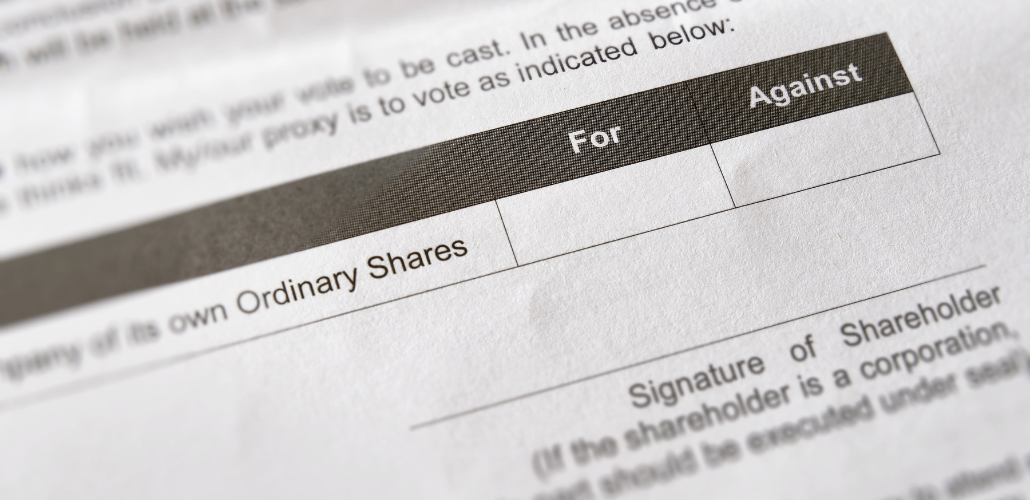
At Home Depot’s annual meeting on May 21, the company’s investors will have a chance to vote on a resolution Clean Yield filed, regarding a report on the sufficiency of associates’ access to healthcare.
Clean Yield Asset Management urges shareholders to vote YES on Item No. 11 on the Home Depot, Inc. (HD) 2026 proxy ballot.
Home Depot, as most readers already know, is a home-improvement chain store where customers can find almost anything they need for their home, as well as knowledgeable and experienced store associates to help them find and choose items and supplies. These employees are key to the company’s success and provide a competitive advantage, and the company’s recognition of the importance of employees is one of the attributes that led us to invest in the company.
Recognizing the importance of the associates, the company rightfully wrote in its 2025 Living Our Values report: “Since we were founded, we have believed that if we take care of our associates, they will take care of our customers and everything else will take care of itself. This is why we strive to provide our associates with the benefits they need to take care of themselves and their families.”
We initially engaged Home Depot last year to discuss how Home Depot ensures its employees’ access to timely, quality healthcare, particularly in states where the quality of, and access to, healthcare is a known challenge. Despite a series of conversations, Home Depot has released insufficient information to assure investors that it is tracking the extent to which its employees have access to affordable, quality, timely healthcare.
Home Depot must have a clear baseline so that it is able to understand if the programs and policies it applies are effective in improving true healthcare access.
Our resolution before Home Depot’s investors states that: “Shareholders request that the Board of Directors issue a public report omitting confidential information and at reasonable expense, reporting on the sufficiency of employees’ access to timely, quality healthcare, and discusses the company’s strategy to ameliorate any insufficiencies identified.”
Learn more about why this matters below and read the full proxy memo on ICCR’s website.
Why does this matter?
- Home Depot’s Employees Care About Healthcare
Health-related benefits are key aspects of employee recruitment and retention plans and were the top priority for employers in 2025; 88% of employers listed them as “extremely important” or “very important” to their workforce in a SHRM survey. This surpassed retirement savings, flexible work, and career development benefits. The cost of health care is a core affordability worry for employees, sitting ahead of food, utilities, and other household expenses.
- Home Depot’s Current Health Insurance Offering May Not Meet Needs
According to a 2024 poll by KFF, 48% of insured adults worry about affording their monthly health insurance premium, and 21% still view costs as a barrier to getting the healthcare they need.
Home Depot offers multiple health insurance plans to employees; information found online indicates that a family facing a medical condition may need to pay up to $14,000 within one year, a potentially catastrophic expense for a family. Other insurance plans that appear to be offered by Home Depot require co-pays of $15-$45 per doctor’s visit. If the average Home Depot employee earns $17.40 an hour, just visiting the doctor for a consultation may represent one-third of a day’s wages, potentially causing delayed care.
A 2023 survey of 5,000 US employees by the Integrated Benefits Institute found that 58% of employees delayed necessary medical care because of cost or insurance barriers and 42% delayed care because appointments weren’t available. For diseases such as breast cancer, where preventative screenings significantly shift health outcomes, delayed care also impacts the intensity of treatment and timeline for employee recovery.
- Home Depot Has an Obligation to Break Out of a “Business as Usual” Mindset
In 2025, Stanford researchers surveyed human resources administrators. They found that most administrators were not focused on healthcare plans’ benefits to employees’ health and well-being. Rather, the focus was on cost comparisons and spending trends.
This is not an area where investors or Home Depot leadership should defer to a “business as usual approach.” Ensuring effective employee health insurance is an opportunity for Home Depot to improve its service provision, support its employees, improve hiring and retention, and build a competitive advantage, all, potentially, at a limited or nominal cost.
Disclosure to Investors
While Home Depot states that it already surveys employees and monitors benefits, it does not provide investors with clear, decision-useful disclosure regarding:
- The quantitative data captured that would allow for assessments of improved, or lessening, success in employee healthcare access or health outcomes,
- Whether access is sufficient across geographies and income levels
- Key metrics used to assess adequacy
- Identified gaps and corresponding strategies
Home Depot must have a clear baseline so that it is able to understand if the programs and policies it applies are effective in improving true healthcare access. It must understand whether employees are currently able to access affordable, quality, and timely healthcare.
We encourage shareholders to vote FOR Proposal No. 11 ahead of the May 21 AGM.
Read the full proxy memo on ICCR’s website.
This is not a solicitation of authority to vote your proxy. Please DO NOT send us your proxy card; Clean Yield Asset Management is not able to vote your proxies, nor does this communication contemplate such an event. Clean Yield Asset Management urges shareholders to vote for Item No. 11 following the instructions provided on management’s proxy mailing.
Liz Levy is responsible for researching publicly traded equities and managing client portfolios, having joined Clean Yield in June 2024. She brings more than 20 years of experience in Sustainable Investing. She is a Chartered Financial Analyst and is passionate about aligning investment portfolios with values, with deep experience in managing divested, fossil fuel-free, and clean energy investments.
More News & Insights

Q3 2026 Market Outlook: Weathering the Interest Rate Storm
Our team’s reflections on Q3 2026 and what to expect in the coming months from the market, inflation, bonds, investing, and more.

Stock Profile: Costco
Explore how Costco’s no-frills business model invests where it counts, from employee well-being and customer value to environmental and community impact.

Speaker Series— Gift Season: Planning Your Charitable Giving from Your Investment Accounts
Join our upcoming webinar about how to align philanthropy and donations with your financial goals for the strongest positive impact.
