
Gettin’ Rolling with Shimano


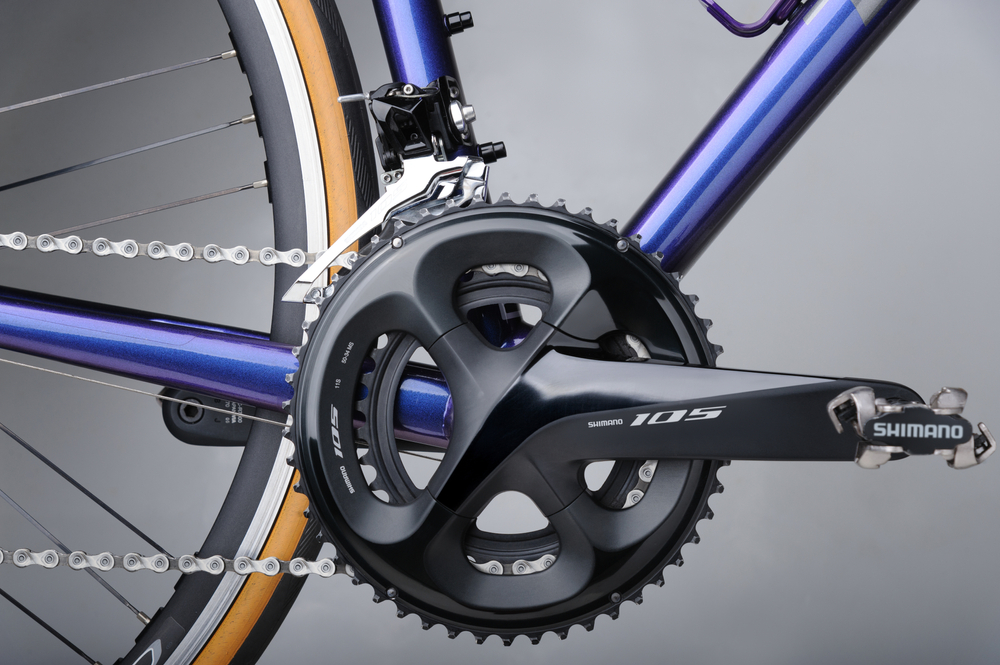
Shimano Inc. is a Japan-based maker of cycling components, fishing tackle, and rowing-related equipment. Cycling components represent approximately 80% of sales, and fishing tackle 20%. “Other,” which includes rowing components, represents less than 1%. The company has two manufacturing facilities in Japan and sales offices globally. Shimano is a family-run business that just celebrated its 100th anniversary. As primarily a cycling company, Shimano’s products offer considerable environmental and climate benefits over other modes of transport. While its product environmental benefits are longstanding, it’s focus on ESG management is emerging.
In 2021, the company named a new president, Taizo Shimano. In the announcement of his appointment, he makes clear that sustainability and global citizenship are priorities for him and the organization. In the time since he has become president, the company has started reporting environmental data, improved its vendor code to be aligned with global standards (ILO Core Conventions), and started sourcing renewable energy. These steps suggest that ESG has become a priority for Shimano.
Shimano has also shown progress in the areas of climate change and health and safety in the last few years, though it still has work to do. The company is sourcing nearly all of its electricity in Japan from renewable sources and has steadily lowered its Scope 1 & 2 greenhouse gas emissions. It could strengthen this by reporting Scope 3 emissions and committing to a net-zero target. On safety, the company has stated its commitment to zero workplace accidents and in 2021 attained ISO 45001 certification, a rigorous, independent third-party safety standard. In addition, the company has filled out its vendor code of conduct to cover all core ILO conventions (forced labor, child labor, etc.), and it is just beginning to truly engage with suppliers to ensure compliance with these standards. More transparency around all these initiatives would be welcome.
The company is still well behind its global counterparts on diversity and governance. Since inception, Shimano has been led by male members of the Shimano family. While family-run companies can present governance risk to investors, they are not uncommon in Japan. The company lacks women on the board or in management – though it did promote a woman to general manager in 2022. The board does include three outside directors, but that pales in comparison to the 12 insiders on the board. While these areas raise concerns, they are common and represent some of the challenges that U.S. investors face when investing in Japan.
We’re excited to see how Shimano continues to shift gears toward better climate and governance practices.
As for buying the stock, we’re still in first gear. Though the stock seems to be undervalued, an imminent global recession would further depress discretionary consumer spending. We are only beginning to build positions in the stock; absent large further declines, we will probably be even more patient than usual in upshifting to more strenuous purchases of the stock.
More News & Insights

Growing Multigenerational Value: Investing in Forests for a Sustainable Future
One of the most powerful climate change solutions we have has been growing quietly for millennia: forests.

How Shareholder Advocacy and Proxy Voting Can Drive Meaningful Change — and How You Can Help Protect It
For social investors, shareholder advocacy provides a powerful mechanism to push companies toward responsible practices and help shape industry-wide standards.

Speaker Series: The Role of Private Capital in Building Affordable Housing for Resilient Communities
We invite you to join us on March 31 at 3 p.m. ET to participate in this critical conversation on affordable housing.