
Impact Profile: Foodshed Capital Expands Access to Financing for Resilient, Regenerative Food Systems


At Clean Yield, we view impact investing as one of the most powerful ways for our clients to invest their money for positive change. These investments make patient, flexible, and affordable capital available to mission-driven enterprises, providing the lifeblood for them to thrive and amplify their impact. Below is an example of the impact investments we include in our customized client portfolios, with a snapshot of the considerations we review and the positive outcomes this opportunity can create. Impact profiles are not investment recommendations. Learn more about our impact investment strategy and services.
Foodshed Capital is a nonprofit loan fund and Community Development Financial Institution (CDFI) focused on helping regenerative farmers and food entrepreneurs access affordable, flexible capital. Founded in 2018, the organization began as a regional Slow Money fund supporting farms near Charlottesville, Virginia, and has since expanded its reach across the East Coast and throughout the U.S.
Foodshed Capital was created to address a persistent challenge in agriculture: While small farms produce much of the food consumed in local and regional food systems, many struggle to access financing from traditional lenders. Small-scale and regenerative operations often face barriers related to seasonality, limited collateral, thin margins, and the perceived risks of farming in a changing climate, especially for farmers following non-traditional practices.
Foodshed Capital’s lending model is designed around those realities. The organization offers low-interest and, in some cases, 0% interest loans tailored to the needs of regenerative farms and food businesses. In addition to financing, Foodshed Capital provides technical assistance and business advising to help borrowers improve loan readiness, financial planning, and long-term business resilience.
To date, Foodshed Capital has deployed more than $6 million in financing through more than 187 loans, with over 80% of funding supporting low-income businesses. The organization reports that approximately half of its loans are issued at 0% interest, supported through grants, philanthropic funding, and mission-aligned investment capital.

Stay up to date with the impact investing landscape with our newsletter.
Clean Yield uses the power of investment and markets to help our clients achieve their financial goals and move society toward a more just and sustainable future. Discover more about our work, the change we seek, and our efforts to make a positive impact.
Building More Regenerative Foodsheds
Foodshed Capital describes a “foodshed” similarly to a watershed: the interconnected system of farms, processors, distributors, markets, restaurants, and institutions that produce and move food through a region. Its mission is to help strengthen those regional food systems by supporting the long-term viability of regenerative farms and food businesses.
The organization focuses on financing businesses using practices intended to support soil health, biodiversity, resource conservation, and local economic resilience. Borrowers have included diversified vegetable farms, livestock operations, agroforestry training programs, and regional food hubs.
Examples include:
- Flying Plow Farm, a Certified Organic Maryland farm serving hundreds of weekly CSA subscribers, used Foodshed Capital financing to install a new well and improve seasonal cash flow.
- Woolbank, a regenerative farm and agroforestry training program supporting BIPOC youth in the Lake Erie basin, used bridge financing to expand programming ahead of a grant reimbursement.
- Waddle Om Farm in Virginia used a 0% interest bridge loan to install fencing and water infrastructure for its livestock operation.
Foodshed Capital also emphasizes relationship-based lending practices, including flexible repayment structures and reduced collateral requirements. Rather than maximizing loan size, the organization works with borrowers to identify financing levels that align with realistic repayment capacity and long-term business sustainability.
Foodshed Capital Highlights
Foodshed Capital seeks to generate environmental, social, and economic impact by supporting regenerative agricultural enterprises and increasing access to capital for borrowers who are often underserved by traditional financial institutions.
Foodshed Capital generates impact for local food systems through:
- Support for regenerative and organic farming practices
- Access to affordable capital for low-income and underserved borrowers
- Flexible, non-extractive lending structures
- Business advising and technical assistance for borrowers
- Contributions to regional food system resilience and rural economic development
Foodshed Capital reports that:
- More than 80% of funding deployed has supported low-income businesses
- Approximately 62% of loan capital has supported women borrowers
- Approximately 57% of loan capital has supported BIPOC borrowers
- Loans have supported nearly 15,000 acres of regeneratively managed farmland and hundreds of jobs across regional food systems
Foodshed Capital currently offers unsecured subordinated promissory notes with a 2% interest rate and a 7-year term.
Learn more about the regenerative farmers and food entrepreneurs supported by Foodshed Capital.
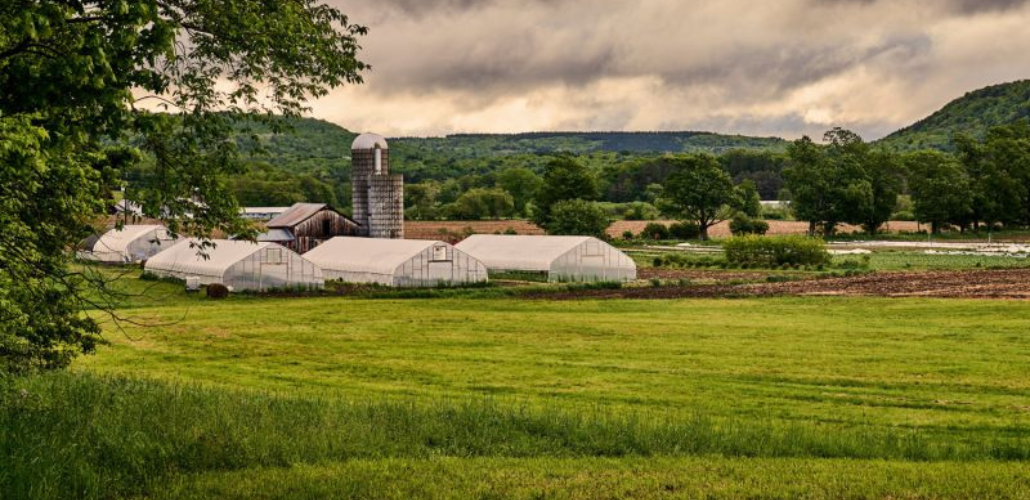
Photo courtesy Foodshed Capital, Credit: Martin Hyers, Jason Martin, and Community Food Advocates in support of Catskills Agrarian Alliance.
More News & Insights
Q3 2026 Market Outlook: Weathering the Interest Rate Storm
Our team’s reflections on Q3 2026 and what to expect in the coming months from the market, inflation, bonds, investing, and more.

Stock Profile: Costco
Explore how Costco’s no-frills business model invests where it counts, from employee well-being and customer value to environmental and community impact.
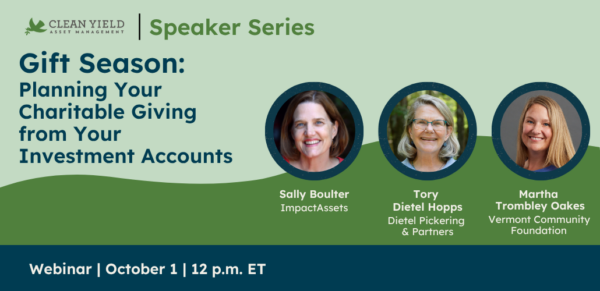
Speaker Series— Gift Season: Planning Your Charitable Giving from Your Investment Accounts
Join our upcoming webinar about how to align philanthropy and donations with your financial goals for the strongest positive impact.
